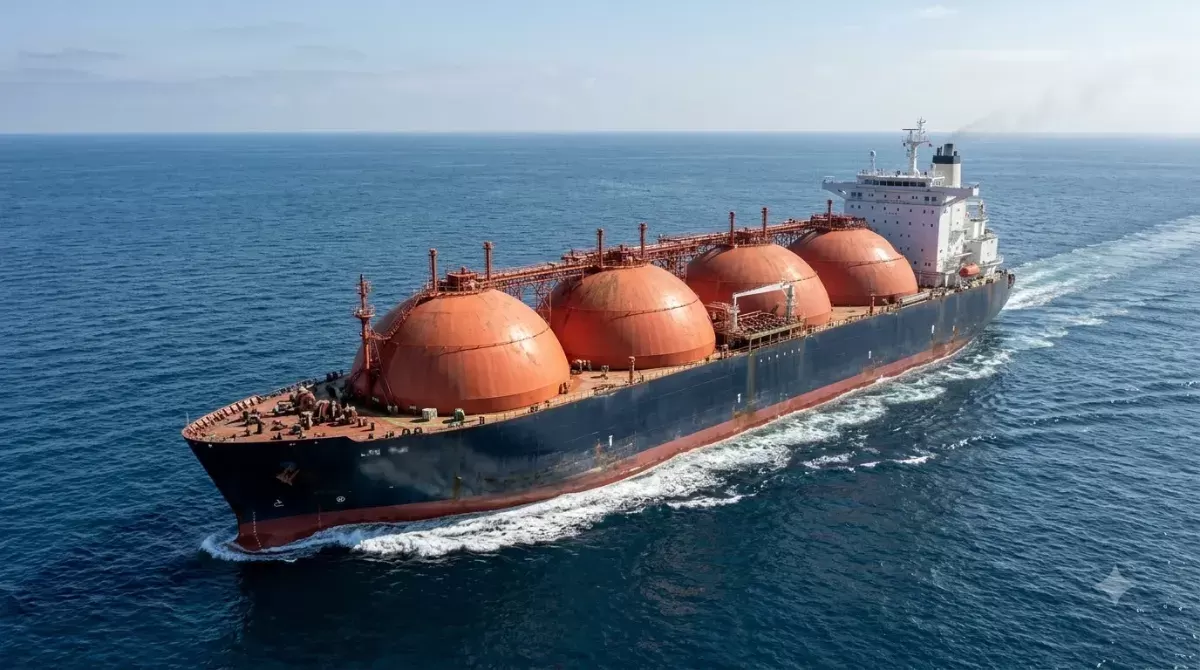
<p class="ds-markdown-paragraph" style="margin: 16px 0px; color: rgb(15, 17, 21); font-family: quote-cjk-patch, Inter, system-ui, -apple-system, BlinkMacSystemFont, "Segoe UI", Roboto, Oxygen, Ubuntu, Cantarell, "Open Sans", "Helvetica Neue", sans-serif; font-size: 16px;"><span class="">South Korea has given conditional approval for the sale of Hyundai LNG Shipping to Indonesia's Sinar Mas Group, removing the final regulatory obstacle in a transaction that had been delayed for months by national energy security concerns . The Ministry of Trade, Industry and Energy completed its foreign investment security review on 6 November 2026, approving the deal subject to undisclosed national security conditions .</span></p><p class="ds-markdown-paragraph" style="margin: 16px 0px; color: rgb(15, 17, 21); font-family: quote-cjk-patch, Inter, system-ui, -apple-system, BlinkMacSystemFont, "Segoe UI", Roboto, Oxygen, Ubuntu, Cantarell, "Open Sans", "Helvetica Neue", sans-serif; font-size: 16px;"><span class="">The transaction structure reflects the scale of the asset being transferred. The IMM Private Equity and IMM Investment consortium is selling 100% of holding company Aegis One to Sinar Mas affiliate Frontier Resources. The equity price is approximately KRW400 billion, or about $293.7 million, while the enterprise value including debt is estimated at KRW3.8 trillion, or approximately $2.79 billion . The parties are targeting 23 November 2026 for payment and share transfer, though the date could change.</span></p><p class="ds-markdown-paragraph" style="margin: 16px 0px; color: rgb(15, 17, 21); font-family: quote-cjk-patch, Inter, system-ui, -apple-system, BlinkMacSystemFont, "Segoe UI", Roboto, Oxygen, Ubuntu, Cantarell, "Open Sans", "Helvetica Neue", sans-serif; font-size: 16px;"><span class="">The review process was shaped by energy security considerations. The ministry weighed the effect of foreign ownership on energy security and LNG supply, consulted the National Intelligence Service, and considered heightened geopolitical risk in the Middle East . The Korea Shipowners' Association and the Federation of Korea Maritime Industries had opposed the sale on energy security grounds, arguing that transferring control of strategically important gas carriers overseas could undermine national energy security and lead to the loss of maritime expertise. IMM countered that the company handles less than 6% of KOGAS's LNG imports. Sinar Mas sought to address the concerns by committing to maintain Korean-flag operations and protect existing employment .</span></p><p class="ds-markdown-paragraph" style="margin: 16px 0px; color: rgb(15, 17, 21); font-family: quote-cjk-patch, Inter, system-ui, -apple-system, BlinkMacSystemFont, "Segoe UI", Roboto, Oxygen, Ubuntu, Cantarell, "Open Sans", "Helvetica Neue", sans-serif; font-size: 16px;"><span class="">Hyundai LNG Shipping's fleet and contract position explain why the sale attracted regulatory scrutiny. The company operates 12 LNG carriers and six LPG carriers, along with other vessels, and holds long-term transportation contracts with state-owned Korea Gas Corporation . In 2025, the company posted consolidated revenue of KRW436.2 billion ($320.3 million) and operating profit of KRW115.7 billion ($85.0 million). The IMM consortium acquired the company from Hyundai Merchant Marine, now HMM, in 2014, and the current sale marks its exit after 12 years. An earlier attempt to sell the business back to HMM in 2023 collapsed over valuation differences.</span></p><p class="ds-markdown-paragraph" style="margin: 16px 0px; color: rgb(15, 17, 21); font-family: quote-cjk-patch, Inter, system-ui, -apple-system, BlinkMacSystemFont, "Segoe UI", Roboto, Oxygen, Ubuntu, Cantarell, "Open Sans", "Helvetica Neue", sans-serif; font-size: 16px;"><span class="">For the LNG shipping sector, the transaction is significant because it transfers control of a strategically important carrier fleet from Korean private equity to an Indonesian conglomerate, at a time when LNG supply security has become a heightened concern for Asian importers. Korea is one of the world's largest LNG buyers, and the vessels that serve KOGAS's long-term contracts are part of the country's energy infrastructure. The conditional approval suggests that the Korean government has extracted assurances about the fleet's continued availability to serve Korean import requirements, even as ownership passes to a foreign entity.</span></p><p class="ds-markdown-paragraph" style="margin: 16px 0px; color: rgb(15, 17, 21); font-family: quote-cjk-patch, Inter, system-ui, -apple-system, BlinkMacSystemFont, "Segoe UI", Roboto, Oxygen, Ubuntu, Cantarell, "Open Sans", "Helvetica Neue", sans-serif; font-size: 16px;"><span class="">For India, the transaction has indirect relevance. India is a growing LNG importer, and the global LNG carrier fleet is the infrastructure through which its cargoes move. Consolidation of ownership among a small number of large conglomerates could affect the availability and pricing of chartered tonnage, though the immediate impact on Indian importers is likely to be marginal. The more significant signal is that Asian conglomerates are willing to invest in LNG shipping assets despite the cyclicality of the market and the geopolitical risks that have disrupted energy flows in 2026.</span></p><p class="ds-markdown-paragraph" style="margin: 16px 0px; color: rgb(15, 17, 21); font-family: quote-cjk-patch, Inter, system-ui, -apple-system, BlinkMacSystemFont, "Segoe UI", Roboto, Oxygen, Ubuntu, Cantarell, "Open Sans", "Helvetica Neue", sans-serif; font-size: 16px;"><span class="">Looking ahead, the key milestone is the completion of the transaction on or around 23 November. If the closing proceeds as targeted, it will mark the end of a nearly year-long sale process that tested Korea's foreign investment review framework and the balance between energy security and open capital markets. For now, the approval clears the way for IMM to exit its investment, and for Sinar Mas to take control of a fleet that is central to Korea's LNG import logistics.</span></p>
IMM Set to Close $2.79 Billion Hyundai LNG Shipping Sale to Sinar Mas on 23 November After South Korea's Conditional Approval
South Korea's Ministry of Trade, Industry and Energy conditionally approved the sale of Hyundai LNG Shipping to Indonesia's Sinar Mas Group on 6 November 2026, clearing the final regulatory hurdle for the deal. The IMM Private Equity and IMM Investment consortium is selling 100% of holding company Aegis One to Sinar Mas affiliate Frontier Resources for approximately KRW400 billion ($293.7 million) in equity, with an enterprise value including debt of about KRW3.8 trillion ($2.79 billion). The parties aim to complete payment and share transfer on 23 November. Hyundai LNG Shipping operates 12 LNG carriers and six LPG carriers, and holds long-term transportation contracts with Korea Gas Corporation.