
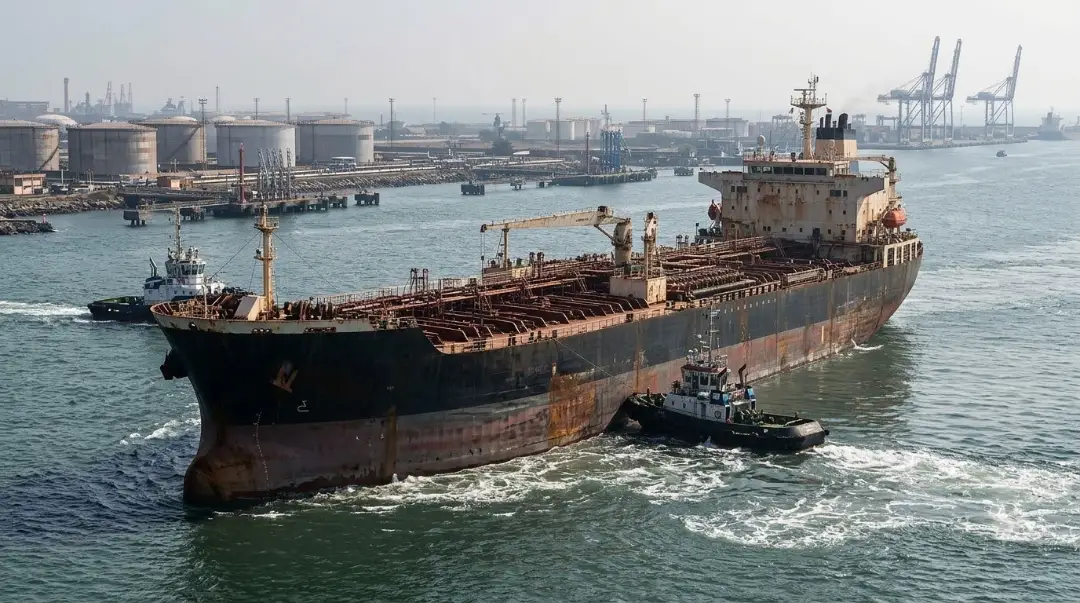
India has relaxed its ship age restrictions, replacing hard operating limits with a discretionary exemption mechanism that allows older oil tankers, gas carriers, and chemical carriers to continue calling at Indian ports . The order, issued by the Directorate General of Maritime Administration on 18 November 2026, marks a retreat from the stricter regime introduced in January 2026 and reflects the pressure that tight freight markets and vessel shortages have placed on India's ability to secure tonnage for its energy imports.
The specific changes are targeted at the categories of vessels that are most in demand. Oil tankers older than 20 years can now seek exemptions on a case-by-case basis, and gas and chemical carriers older than 25 years can do the same . A five-member technical committee of maritime officials will assess applications and make recommendations to the regulator, which retains the authority to accept, reject, or modify them. The March 2029 deadline that would have required existing ships to exit service if they exceeded the age limits has also been scrapped.
The rationale is rooted in the supply-demand imbalance that the US-Iran conflict has created in the tanker market. A tanker shortage triggered by the disruption has pushed major shipowners to acquire older vessels to keep oil moving as freight rates soar and available ships dwindle . The lucrative trade in hauling Middle Eastern crude has drawn in former dark-fleet vessels, which tend to be significantly older, and the US has allowed some previously sanctioned supertankers to enter the region to load crude. India, as a major importer of crude, LPG, and LNG, has a direct interest in ensuring that sufficient tonnage is available to serve its ports, even if that means accepting vessels that would previously have been excluded.
The registration framework has been adjusted alongside the operating age rules. Ships less than 15 years old can now register under the Indian flag without the earlier requirement that they be classified by a member of the International Association of Classification Societies . Tankers between 15 and 20 years old can be registered subject to specified conditions, while those older than 20 years will require regulatory assessment. This easing of registration conditions complements the operating exemptions, making it easier for shipowners to bring older tonnage into the Indian registry.
For India's shipping sector, the change represents a pragmatic adjustment to market conditions rather than a reversal of the long-term goal of building a younger, more competitive domestic fleet. The January 2026 rules were intended to raise safety and environmental standards by phasing out older vessels, but the conflict-driven shortage has made strict enforcement impractical without risking disruptions to energy supply. The exemption mechanism allows the regulator to balance safety considerations against the need to keep cargo moving.
The timing of the order aligns with the broader pattern of policy flexibility that India has shown in response to the maritime disruption. The government has already relaxed ship registration rules to allow foreign minority ownership, and it has been actively courting international carriers to bring vessels into the Indian registry. The age limit relaxation is another measure aimed at expanding the effective capacity available to serve India's trade, even as the security environment in the Gulf remains uncertain.
Looking ahead, the key question is how the technical committee will exercise its discretion and whether the exemption mechanism will be used broadly or sparingly. If exemptions are granted liberally, older tonnage could remain in service longer than the January rules intended, with implications for safety and environmental performance. If they are granted selectively, the impact on vessel availability may be limited. For now, the order provides a safety valve that allows India to access the older tankers that the current market has made essential, and it reflects a recognition that regulatory strictness must be calibrated to the realities of a disrupted shipping environment.