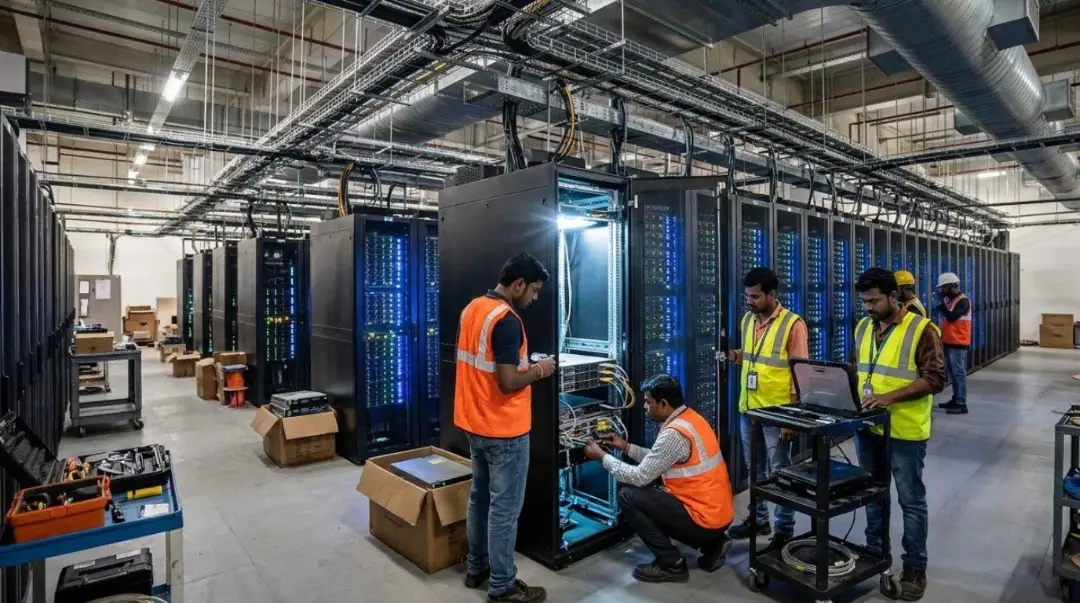
<p class="ds-markdown-paragraph" style="margin: 16px 0px; color: rgb(15, 17, 21); font-family: quote-cjk-patch, Inter, system-ui, -apple-system, BlinkMacSystemFont, "Segoe UI", Roboto, Oxygen, Ubuntu, Cantarell, "Open Sans", "Helvetica Neue", sans-serif; font-size: 16px;"><span class="">HSBC Securities has offered a detailed interpretation of India's October trade data, arguing that the near-$40 billion goods trade deficit reflects investment-led import growth rather than a consumption-driven deterioration in the external balance . The analysis, reported by Moneycontrol on 18 November 2026, provides a counterpoint to the anxiety that the record monthly deficit has generated in some quarters.</span></p><p class="ds-markdown-paragraph" style="margin: 16px 0px; color: rgb(15, 17, 21); font-family: quote-cjk-patch, Inter, system-ui, -apple-system, BlinkMacSystemFont, "Segoe UI", Roboto, Oxygen, Ubuntu, Cantarell, "Open Sans", "Helvetica Neue", sans-serif; font-size: 16px;"><span class="">The composition of the import surge supports this reading. Roughly half of the approximately $15 billion increase in the import bill was linked to higher oil prices and a seasonal rise in gold demand, which are volatile components that do not necessarily signal a structural deterioration . Core imports, excluding oil and gold, increased by $6.5 billion, and HSBC said those purchases leaned more toward investment than consumption. Metals and ores, industrial inputs such as chemicals and rubber, transport equipment, and project goods were among the drivers </span><span class="">.</span><span class="_5f9bba8" data-citation-group="8" style="margin-left: 2px; margin-right: 2px;"><a href="https://www.moneycontrol.com/news/business/hsbc-decodes-india-s-near-40-billion-october-trade-gap-14083404.html?pitchClick=top-business-news&utm_source=budget_2026&utm_medium=desktop_Budget_Page&utm_campaign=Budget_Article_Consumption_Top_Business_News" target="_blank" rel="noreferrer" aria-label="3" style="color: rgb(57, 100, 254); transition: box-shadow 0.2s cubic-bezier(0.4, 0, 0.2, 1); border-color: rgba(255, 255, 255, 0); border-width: 2px 3px; margin-left: -3px; margin-right: -3px; text-decoration: none; position: relative;"></a></span></p><p class="ds-markdown-paragraph" style="margin: 16px 0px; color: rgb(15, 17, 21); font-family: quote-cjk-patch, Inter, system-ui, -apple-system, BlinkMacSystemFont, "Segoe UI", Roboto, Oxygen, Ubuntu, Cantarell, "Open Sans", "Helvetica Neue", sans-serif; font-size: 16px;"><span class="">The electronics dimension is particularly significant because it connects the trade data to one of the fastest-growing sectors in India's economy. India's expanding data-centre industry accounts for a significant part of the electronics-related deficit, with the gap concentrated in electronic components, electronic instruments, and computer hardware rather than finished consumer products . Net trade in mobile phones remains in surplus, which means the deficit is not a sign of consumer demand outpacing domestic production but of investment in digital infrastructure that will support future economic activity.</span></p><p class="ds-markdown-paragraph" style="margin: 16px 0px; color: rgb(15, 17, 21); font-family: quote-cjk-patch, Inter, system-ui, -apple-system, BlinkMacSystemFont, "Segoe UI", Roboto, Oxygen, Ubuntu, Cantarell, "Open Sans", "Helvetica Neue", sans-serif; font-size: 16px;"><span class="">HSBC framed this investment-led import growth as potentially sustainable. The report argued that if imports reflect rising investment, particularly in the tradeable sector, they can be sustainable over time because they raise the export capacity of the economy . The bank cited Malaysia and Thailand as parallels for the rise in equipment imports accompanying data-centre expansion, and it said the import-intensive phase of construction could remain "rupee friendly" if adequately financed by foreign direct investment, which appeared to be the case </span><span class="">. Over time, HSBC expects operational facilities to support higher services exports, potentially making the overall balance-of-payments impact positive.</span><span class="_5f9bba8" data-citation-group="9" style="margin-left: 2px; margin-right: 2px;"><a href="https://www.moneycontrol.com/news/business/hsbc-decodes-india-s-near-40-billion-october-trade-gap-14083404.html?pitchClick=top-business-news&utm_source=budget_2026&utm_medium=desktop_Budget_Page&utm_campaign=Budget_Article_Consumption_Top_Business_News" target="_blank" rel="noreferrer" aria-label="3" style="color: rgb(57, 100, 254); transition: box-shadow 0.2s cubic-bezier(0.4, 0, 0.2, 1); border-color: rgba(255, 255, 255, 0); border-width: 2px 3px; margin-left: -3px; margin-right: -3px; text-decoration: none; position: relative;"></a></span></p><p class="ds-markdown-paragraph" style="margin: 16px 0px; color: rgb(15, 17, 21); font-family: quote-cjk-patch, Inter, system-ui, -apple-system, BlinkMacSystemFont, "Segoe UI", Roboto, Oxygen, Ubuntu, Cantarell, "Open Sans", "Helvetica Neue", sans-serif; font-size: 16px;"><span class="">The export side of the equation provides a counterweight. Goods exports rose 45% year-on-year in October, with diversification across destinations and products, including stronger exports to Asian markets such as Singapore, Malaysia, and Hong Kong. Engineering goods, electronics, readymade garments, carpets, leather, and agricultural products were among the categories showing strength </span><span class="">. HSBC attributed part of the improvement to the rupee's roughly 15% trade-weighted depreciation since early 2025, alongside recent trade agreements with consumption-oriented economies.</span><span class="_5f9bba8" data-citation-group="10" style="margin-left: 2px; margin-right: 2px;"><a href="https://www.moneycontrol.com/news/business/hsbc-decodes-india-s-near-40-billion-october-trade-gap-14083404.html?pitchClick=top-business-news&utm_source=budget_2026&utm_medium=desktop_Budget_Page&utm_campaign=Budget_Article_Consumption_Top_Business_News" target="_blank" rel="noreferrer" aria-label="3" style="color: rgb(57, 100, 254); transition: box-shadow 0.2s cubic-bezier(0.4, 0, 0.2, 1); border-color: rgba(255, 255, 255, 0); border-width: 2px 3px; margin-left: -3px; margin-right: -3px; text-decoration: none; position: relative;"></a></span></p><p class="ds-markdown-paragraph" style="margin: 16px 0px; color: rgb(15, 17, 21); font-family: quote-cjk-patch, Inter, system-ui, -apple-system, BlinkMacSystemFont, "Segoe UI", Roboto, Oxygen, Ubuntu, Cantarell, "Open Sans", "Helvetica Neue", sans-serif; font-size: 16px;"><span class="">For India's logistics sector, the HSBC analysis has implications that go beyond the headline trade deficit. The data-centre build-out driving electronics imports requires logistics infrastructure—air cargo capacity for high-value components, warehousing for equipment staging, and inland transport for construction materials. The import flows that HSBC describes are not consumer goods moving through retail channels but capital goods and components moving to project sites, which have different logistics requirements and different economic multipliers.</span></p><p class="ds-markdown-paragraph" style="margin: 16px 0px; color: rgb(15, 17, 21); font-family: quote-cjk-patch, Inter, system-ui, -apple-system, BlinkMacSystemFont, "Segoe UI", Roboto, Oxygen, Ubuntu, Cantarell, "Open Sans", "Helvetica Neue", sans-serif; font-size: 16px;"><span class="">The timing of the analysis aligns with the broader debate about India's trade performance. October recorded an all-time high in merchandise exports at $49.47 billion, up 45.06%, while imports also surged, producing the wide deficit </span><span class="">. The government has been emphasizing the export growth, and HSBC's analysis provides a framework for understanding why the import surge does not necessarily undermine the export story. If the imports are investment goods that will expand future production and export capacity, the deficit is a leading indicator of growth rather than a warning sign of imbalance.</span><span class="_5f9bba8" data-citation-group="11" style="margin-left: 2px; margin-right: 2px;"><a href="https://www.moneycontrol.com/news/business/hsbc-decodes-india-s-near-40-billion-october-trade-gap-14083404.html?pitchClick=top-business-news&utm_source=budget_2026&utm_medium=desktop_Budget_Page&utm_campaign=Budget_Article_Consumption_Top_Business_News" target="_blank" rel="noreferrer" aria-label="3" style="color: rgb(57, 100, 254); transition: box-shadow 0.2s cubic-bezier(0.4, 0, 0.2, 1); border-color: rgba(255, 255, 255, 0); border-width: 2px 3px; margin-left: -3px; margin-right: -3px; text-decoration: none; position: relative;"></a></span></p><p class="ds-markdown-paragraph" style="margin: 16px 0px; color: rgb(15, 17, 21); font-family: quote-cjk-patch, Inter, system-ui, -apple-system, BlinkMacSystemFont, "Segoe UI", Roboto, Oxygen, Ubuntu, Cantarell, "Open Sans", "Helvetica Neue", sans-serif; font-size: 16px;"><span class="">Looking ahead, the key variable will be whether the investment-led import surge translates into the expected export capacity and services growth. HSBC's optimism depends on the data-centre construction phase being adequately financed and on the operational facilities generating services exports that offset the import costs. If that sequence materialises, the current deficit will appear in retrospect as a necessary investment in future growth. If it does not, the deficit could become a more persistent drag on the external balance. For now, the analysis provides a data-grounded interpretation that contrasts with the alarmist reading of the headline figure, and it identifies the electronics and data-centre sectors as the key to understanding India's trade dynamics in FY27.</span></p>
HSBC Says Data-Centre Build-Out Drives India's Electronics Import Gap, Calls Deficit "Investment-Led" and Sustainable
HSBC Securities said India's near-$40 billion goods trade deficit in October 2026 should not be read as a warning sign, with roughly half of the import increase linked to higher oil prices and seasonal gold demand, and core imports leaning toward investment rather than consumption. India's electronics trade deficit has averaged about $8 billion a month in FY27, up from around $5.5 billion in FY26, concentrated in electronic components, instruments, and computer hardware rather than finished consumer products. HSBC said the import-intensive phase of data-centre construction could remain "rupee friendly" if adequately financed by foreign direct investment, citing Malaysia and Thailand as parallels.