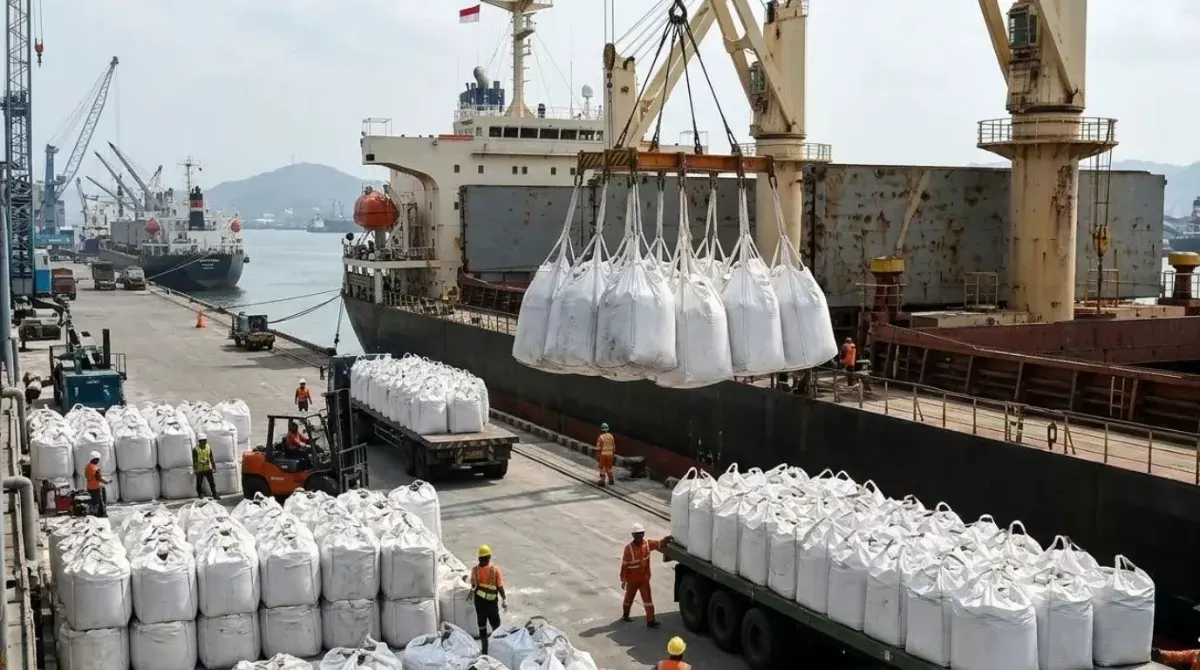
<p class="ds-markdown-paragraph" style="margin: 16px 0px; color: rgb(15, 17, 21); font-family: quote-cjk-patch, Inter, system-ui, -apple-system, BlinkMacSystemFont, "Segoe UI", Roboto, Oxygen, Ubuntu, Cantarell, "Open Sans", "Helvetica Neue", sans-serif; font-size: 16px;"><span class="">Indonesia is positioning itself to expand soda ash exports to India after New Delhi exempted Indonesian soda ash from proposed quantitative import restrictions, according to a statement from Indonesia's Ministry of Trade on 17 November 2026 . The exemption is outlined in the final report of the safeguard investigation published by India's Directorate General of Trade Remedies on 4 November 2026, and it gives Indonesian producers a competitive advantage in a market where supply competition is intense.</span></p><p class="ds-markdown-paragraph" style="margin: 16px 0px; color: rgb(15, 17, 21); font-family: quote-cjk-patch, Inter, system-ui, -apple-system, BlinkMacSystemFont, "Segoe UI", Roboto, Oxygen, Ubuntu, Cantarell, "Open Sans", "Helvetica Neue", sans-serif; font-size: 16px;"><span class="">The policy context for the exemption is the DGTR's broader safeguard investigation into soda ash imports. The investigation was initiated following complaints from Indian domestic producers, and the DGTR ultimately recommended quantitative restrictions on imports from several countries. Indonesia's exemption from those restrictions means that its producers can continue to supply the Indian market without the volume caps that would apply to other origins, and the Indonesian government has encouraged its exporters to capitalize on the opportunity.</span></p><p class="ds-markdown-paragraph" style="margin: 16px 0px; color: rgb(15, 17, 21); font-family: quote-cjk-patch, Inter, system-ui, -apple-system, BlinkMacSystemFont, "Segoe UI", Roboto, Oxygen, Ubuntu, Cantarell, "Open Sans", "Helvetica Neue", sans-serif; font-size: 16px;"><span class="">Indonesian Trade Minister Budi Santoso framed the exemption as a momentum-building development. "This is a momentum to further strengthen the position of Indonesia's soda ash industry in the global supply chain. We encourage business actors to capitalize on this opportunity," he said . The Director General of Foreign Trade at Indonesia's Ministry, Tommy Andana, attributed the outcome to active collaboration between the government and business actors throughout the investigation process, and expressed hope that Indonesia's global market share for soda ash would remain stable.</span></p><p class="ds-markdown-paragraph" style="margin: 16px 0px; color: rgb(15, 17, 21); font-family: quote-cjk-patch, Inter, system-ui, -apple-system, BlinkMacSystemFont, "Segoe UI", Roboto, Oxygen, Ubuntu, Cantarell, "Open Sans", "Helvetica Neue", sans-serif; font-size: 16px;"><span class="">The trade relationship between India and Indonesia provides the broader context for the soda ash development. From January to September 2026, total bilateral trade stood at $19.49 billion, with Indonesia's exports to India at $15.04 billion and imports from India at $4.45 billion . Indonesia's trade surplus with India reached $10.59 billion, making India one of the largest contributors to Indonesia's trade surplus. Indonesia's main exports to India include mineral fuels, animal and vegetable fats and oils, iron and steel, organic chemicals, and various chemical products.</span></p><p class="ds-markdown-paragraph" style="margin: 16px 0px; color: rgb(15, 17, 21); font-family: quote-cjk-patch, Inter, system-ui, -apple-system, BlinkMacSystemFont, "Segoe UI", Roboto, Oxygen, Ubuntu, Cantarell, "Open Sans", "Helvetica Neue", sans-serif; font-size: 16px;"><span class="">For India's import logistics sector, the exemption has implications for the soda ash supply chain. Soda ash is a bulk commodity used in glass, detergents, and chemical manufacturing, and India's domestic producers have argued that imports have displaced their sales and weakened profitability. The DGTR's decision to exempt Indonesia while recommending restrictions on other origins reflects a differentiated approach to trade remedies, and it means that Indonesian soda ash will continue to flow to Indian ports and factories without the disruption that quota restrictions would have caused.</span></p><p class="ds-markdown-paragraph" style="margin: 16px 0px; color: rgb(15, 17, 21); font-family: quote-cjk-patch, Inter, system-ui, -apple-system, BlinkMacSystemFont, "Segoe UI", Roboto, Oxygen, Ubuntu, Cantarell, "Open Sans", "Helvetica Neue", sans-serif; font-size: 16px;"><span class="">The timing of the exemption aligns with the broader pattern of India's trade remedy activity in 2026. The DGTR has been active in initiating and concluding investigations across multiple commodities, from aluminium extrusions to rubber gloves, and the soda ash case illustrates how the outcomes of these investigations can reshape trade flows between India and its partner countries. Indonesia's ability to secure an exemption while other suppliers face restrictions gives it a durable advantage in the Indian market, at least for the duration of the safeguard measure.</span></p><p class="ds-markdown-paragraph" style="margin: 16px 0px; color: rgb(15, 17, 21); font-family: quote-cjk-patch, Inter, system-ui, -apple-system, BlinkMacSystemFont, "Segoe UI", Roboto, Oxygen, Ubuntu, Cantarell, "Open Sans", "Helvetica Neue", sans-serif; font-size: 16px;"><span class="">Looking ahead, the key question is whether Indonesian soda ash exports to India will actually increase as a result of the exemption, or whether other factors—such as domestic demand in Indonesia, global price competition, or logistics constraints—will limit the expansion. The Indonesian government has signalled its support for exporters, and the trade ministry's monitoring of the case since March 2026 suggests that it is treating the Indian market as a priority. For now, the exemption provides a clear trade opportunity, and Indonesian producers are being encouraged to capitalize on it.</span></p>
Indonesia Targets Expanded Soda Ash Exports to India After DGTR Exemption from Import Quotas
Indonesia's Ministry of Trade has welcomed India's decision to exempt Indonesian soda ash from proposed quantitative import restrictions, opening the door for Indonesian producers to expand market share in India. The exemption is outlined in the final report of the safeguard investigation published by India's Directorate General of Trade Remedies on 4 November 2026. Indonesia's trade surplus with India stood at $10.59 billion from January to September 2026, with total bilateral trade at $19.49 billion. Soda ash is a raw material for paper, detergents, water treatment, and household cleaning industries.