
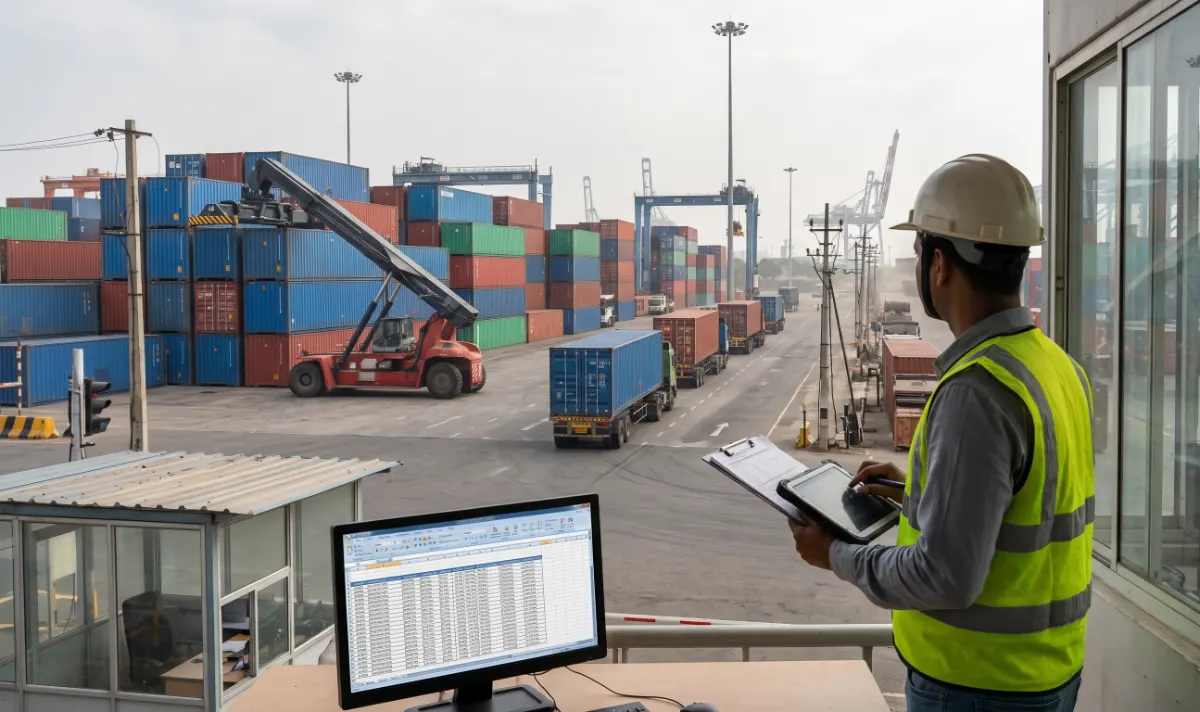
RoDTEP and RoSCTL scroll generation resumed on ICEGATE from 17 November 2026, ending an interruption that had lasted approximately two months and had left exporters unable to convert their eligible export claims into usable duty credit. During the suspension period, shipping bills carried the claim, Let Export Order was issued, and Gateway EGMs were filed, but the scroll—the administrative step at which Customs sanctions the credit—was not generated. The problem affected exporters across multiple centres, including Panipat, and was not specific to any individual Importer-Exporter Code (IEC) .
The critical feature of the interruption was that neither scheme had been suspended or withdrawn. DGFT Notification No. 41/2026-27 dated 30 September 2026 continued the RoDTEP Scheme up to 31 December 2026 for exports by DTA units, Advance Authorisation holders, EOUs, and SEZ units, at the rates and value caps of Appendix 4R and 4RE as they stood on 30 September 2026. On the same date, the Ministry of Textiles extended RoSCTL up to 31 December 2026 at existing rates. No amendment, suspension, or withdrawal of either extension was issued during the period in which scrolls were not being generated .
The resumption follows a period in which exporters had no formal explanation for the delay. No public notice from DGFT and no advisory from CBIC or ICEGATE was issued during the interruption. Customs Brokers and ICEGATE helpdesks were unable to provide answers, and the absence of communication meant exporters could not determine whether the issue was systemic, IEC-specific, or related to individual shipping bill discrepancies .
The interruption also occurred against the backdrop of an existing CBIC instruction mandating timely processing. Instruction No. 05/2026-Customs dated 23 April 2026 directed all field formations to generate RoDTEP and RoSCTL scrolls within three days, aligning the timeline with the existing three-day requirement for duty drawback credit under Instruction No. 21/2020-Customs. That instruction had itself been issued following audit observations regarding delays in RoSCTL processing, making the recurrence of a prolonged suspension a notable departure from the stated procedural standard .
No official reason for the suspension has been disclosed. One interpretation advanced by tax professionals, explicitly framed as their reading rather than an established fact, points to a possible budgetary constraint. The RoDTEP budget for 2026-27 is Rs 10,000 crore, compared with approximately Rs 18,233 crore in 2025-26. At the same time, the 50% restriction on RoDTEP rates imposed earlier in the year was withdrawn and full rates were restored from 23 March 2026. Full rates operating against a budget reduced by nearly half would create a funding shortfall well before the financial year ends .
For exporters, the practical consequence of the suspension was a delay in realizing a benefit to which they were legally entitled upon export. The duty credit under RoDTEP and RoSCTL is designed to remit embedded taxes and levies that are not otherwise refunded through duty drawback. When scrolls are not generated, exporters must carry the associated working capital burden, potentially incurring borrowing costs and facing uncertainty in export pricing. The resumption of scroll generation from 17 November restores the pathway to credit, but the accumulated backlog means exporters with pending shipping bills will need to monitor their ICEGATE ledgers for scroll availability and proceed with e-scrip generation .
Exporters are advised to reconcile pending shipping bills, verify that Export General Manifest filings are in order, and monitor scroll generation on ICEGATE. Once a scroll is generated, the exporter can select the relevant shipping bill and generate an electronic duty credit scrip through the ICEGATE eScrip module. The scrip can then be used to pay basic customs duty on imports or transferred to another IEC holder. The episode has reinforced calls from trade professionals for predictable processing timelines and transparent communication when administrative interruptions occur, particularly for schemes whose statutory validity remains intact throughout the disruption .