
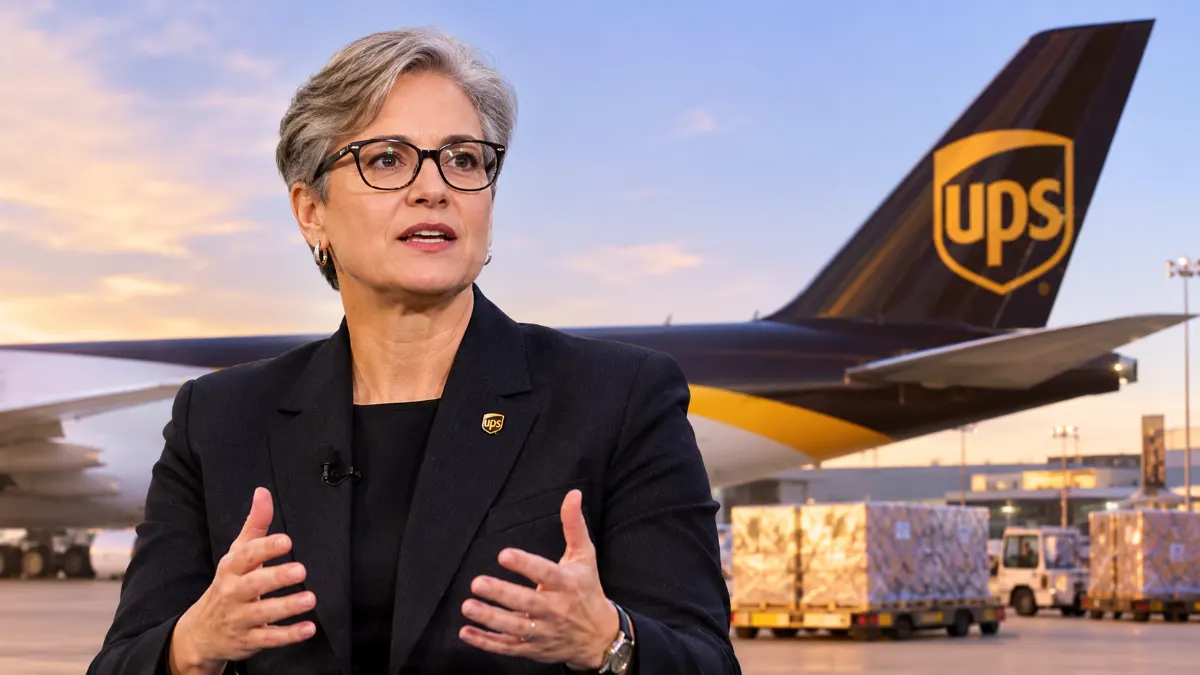
Tomé made the remarks during a panel discussion titled "Charting the Blueprint for Connectivity" at the APEC CEO Summit, which opened in Shenzhen on November 17. Speaking from the perspective of a global carrier, she framed supply chain resilience not as a single initiative but as a layered operational discipline that begins with visibility and ends with redundancy.
The first step, Tomé said, is to map the value chain and understand which specific links matter most. Once those critical nodes are identified, the priority is to continuously strengthen them. This diagnostic approach reflects UPS's experience moving goods across complex international networks, where a single bottleneck—whether a port, a supplier, or a regulatory chokepoint—can cascade through the entire chain.
The second step involves using technology, data, and artificial intelligence to simulate scenarios. Tomé described this as a way to master response strategies before a crisis actually occurs, allowing carriers and their customers to rehearse disruptions rather than improvise during them. This emphasis on simulation aligns with broader industry trends toward digital twins and predictive analytics in logistics planning.
But the third step, which Tomé described as the most important, is having alternative solutions ready—alternative source locations, alternative manufacturers, alternative routing options. The framing places contingency planning at the center of resilience, rather than treating it as a secondary consideration. For shippers and freight forwarders, the implication is that diversification of supply sources and logistics partners is not merely prudent but essential to maintaining continuity.
Tomé's remarks come as global supply chains face sustained pressure from geopolitical disruptions, including the ongoing situation in the Strait of Hormuz that has affected shipping routes and freight rates across South Asia and the Middle East. The APEC summit, bringing together business leaders from across the Asia-Pacific region, provided a venue for addressing how carriers and shippers are adapting to this environment.
For air cargo operators, the message carries particular weight. UPS operates one of the world's largest air freight networks, and Tomé's emphasis on alternative solutions reflects the operational reality that even the most sophisticated carrier cannot eliminate disruption—only prepare for it. The three-step framework she outlined offers a practical template for logistics managers assessing their own supply chain exposure, particularly as trade policy shifts and regional conflicts continue to reshape global cargo flows.