
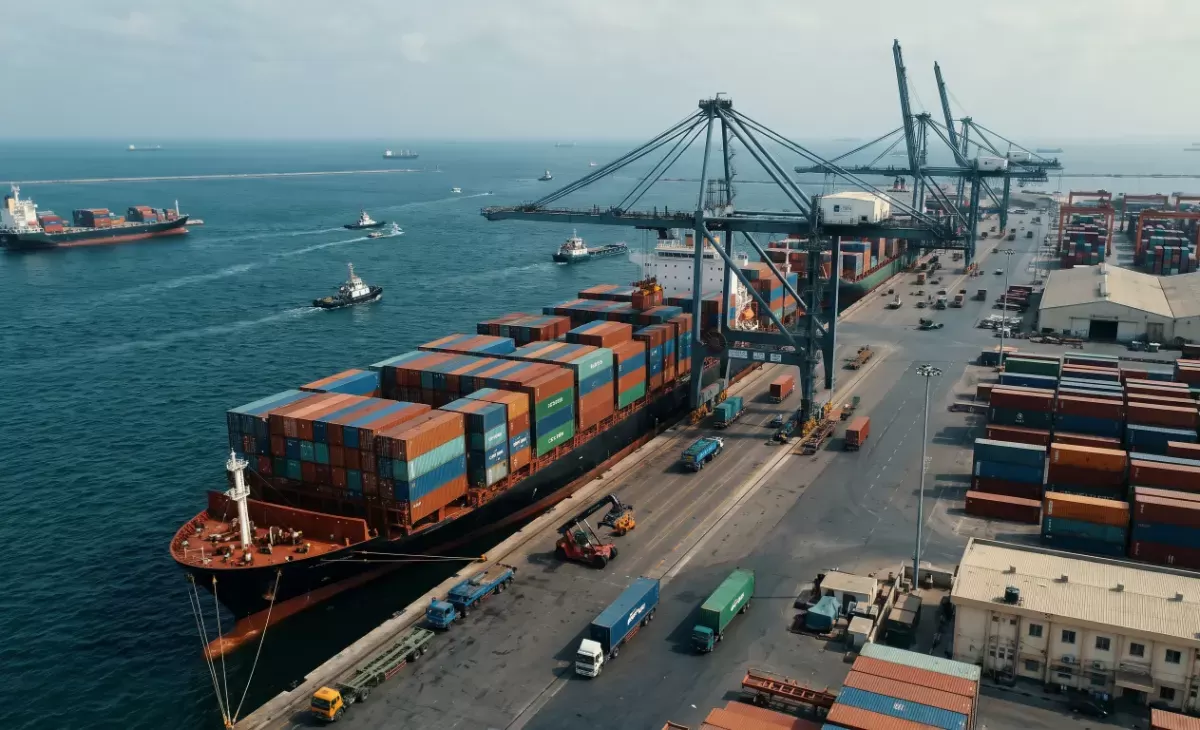
According to documents cited by Pakistani media Samaa, this round of freight rate increases covers multiple key routes from Karachi to Gulf Cooperation Council (GCC) countries, with increases far exceeding normal market fluctuations. The specific data is as follows: for the Qatar Hamad Port route, 40-foot dry container freight rates rose from $1,300–1,600 before the regional tensions to $8,500–8,800, an increase of 431% to 577%; for the Kuwait Shuwaikh Port route, rates climbed from $1,800–2,000 to $8,500, an increase of 325% to 372%; for the Saudi Jeddah Port route, rates rose from $1,400–2,000 to $6,664, an increase of 233% to 376%. In addition, the UAE Jebel Ali Port route saw rates increase by approximately $3,000, reaching $6,000.
The root cause of this surge in freight rates is the deterioration of security conditions in the Strait of Hormuz and the Persian Gulf region. According to official Pakistani documents, the Iran-US conflict has led to a sharp increase in maritime war risk insurance premiums, while some shipping companies have been forced to reroute, extending transportation distances and times, further pushing up costs. At the same time, congestion at regional ports has intensified, container shortages have become prominent, and cargo delivery delays have increased the risk of cargo damage and order cancellations.
The entity most directly affected is Pakistan's import and export trade. Pakistan's Commerce Secretary informed the National Assembly Standing Committee on Commerce that from July to October 2026, Pakistan's trade with Gulf countries initially declined due to the Iran-US conflict, with trade losses estimated at $387 million. Although trade with Gulf countries is gradually recovering, the sharp increase in shipping and port charges has added significant costs to international trade. Agricultural products and perishable goods have been particularly hard hit, and the Pakistani government has had to arrange dedicated cargo ships to ensure the transport of meat and other perishable products to Gulf countries, while also coordinating with regional airlines to ease pressure on air transport of agricultural products.
From a shipping market perspective, the Karachi-Gulf route freight rates are typically in the range of $1,000–2,000 and have now surged to $6,000–8,800, reflecting not normal supply-demand fluctuations but the risk premium imposed by geopolitical conflict on shipping. German shipping company Hapag-Lloyd has also announced a peak season surcharge of $500 per container for refrigerated cargo from Karachi and Port Qasim to multiple Gulf destinations, effective November 16–30, indicating that shipping companies are systematically adjusting cost structures for this route.
For logistics practitioners in South Asia, this round of freight rate increases has multiple implications. First, Pakistan's exports to Gulf countries—including textiles, rice, meat, and fruits—face compression in landed costs, weakening their price competitiveness against competitors from other regions. Second, some traders may choose to transit through third countries or adjust shipping schedules, increasing the complexity of the entire supply chain. The committee also noted that Pakistan's trade with India has actually been conducted indirectly through Dubai, indicating that regional trade flows are quietly adjusting under the shadow of conflict.
Looking ahead, the trend of freight rates will depend on the evolution of the Iran-US situation and the security situation in the Strait of Hormuz. The Pakistani business community is calling on the government to expedite the diversification of trade routes, including strengthening economic cooperation with Iran and exploring land transport corridors to Central Asia, to reduce excessive reliance on the maritime route through the Gulf. However, in the short term, the Karachi-Gulf route's high freight rate situation may persist for some time, and import and export enterprises need to reassess their logistics cost budgets and delivery cycles.