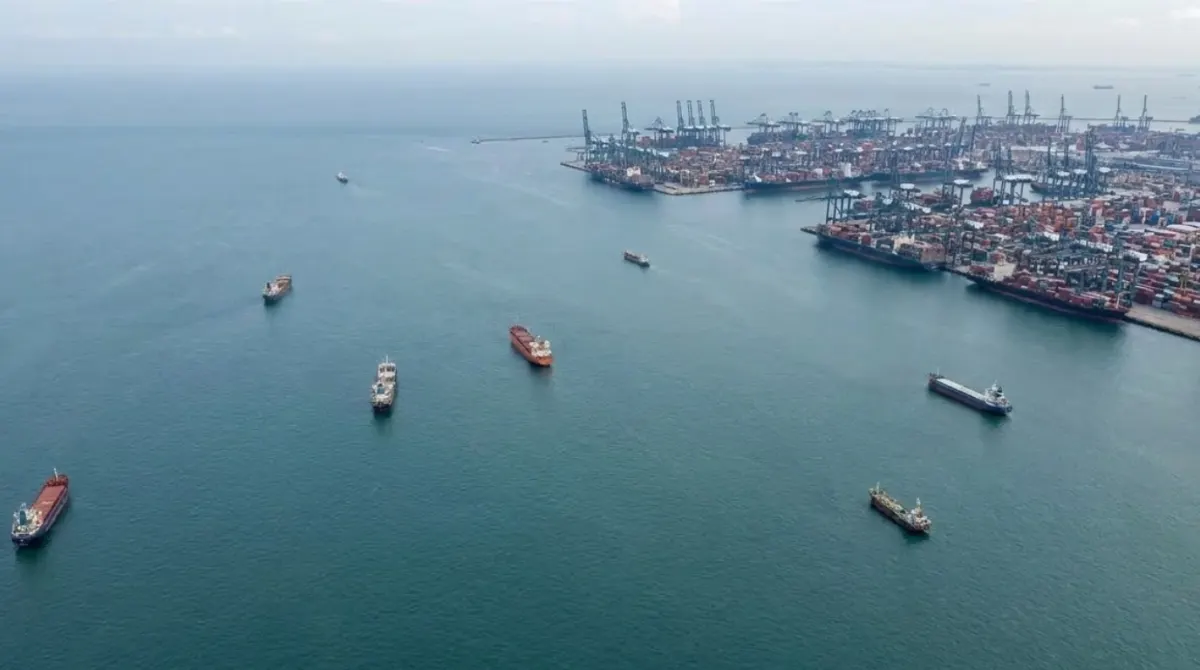
<p class="ds-markdown-paragraph" style="margin: 16px 0px; color: rgb(15, 17, 21); font-family: quote-cjk-patch, Inter, system-ui, -apple-system, BlinkMacSystemFont, "Segoe UI", Roboto, Oxygen, Ubuntu, Cantarell, "Open Sans", "Helvetica Neue", sans-serif; font-size: 16px;"><span class="">DHL Global Forwarding has reported that port congestion has tied up more than 10% of the global container fleet, equivalent to approximately 3.6 million TEU of capacity, and that the cascading effects of Asian port congestion will take months to resolve </span><span class="">. The finding, published in the forwarder's latest Ocean Freight Market Update on 16 November 2026, provides a counterweight to the narrative that the return to Suez routings and newbuilding deliveries will quickly normalise the container shipping market.</span><span class="_5f9bba8" data-citation-group="1" style="margin-left: 2px; margin-right: 2px;"><a href="https://www.seatrade-maritime.com/containers/container-peak-season-easing-port-congestion-ties-up-10-of-fleet" target="_blank" rel="noreferrer" aria-label="3" style="color: rgb(57, 100, 254); transition: box-shadow 0.2s cubic-bezier(0.4, 0, 0.2, 1); border-color: rgba(255, 255, 255, 0); border-width: 2px 3px; margin-left: -3px; margin-right: -3px; text-decoration: none; position: relative;"></a></span></p><p class="ds-markdown-paragraph" style="margin: 16px 0px; color: rgb(15, 17, 21); font-family: quote-cjk-patch, Inter, system-ui, -apple-system, BlinkMacSystemFont, "Segoe UI", Roboto, Oxygen, Ubuntu, Cantarell, "Open Sans", "Helvetica Neue", sans-serif; font-size: 16px;"><span class="">The congestion originated in Asian ports during late summer, when a series of typhoons disrupted operations at China's largest export gateways </span><span class="">. The backlog that accumulated during those disruptions has since propagated through the network, delaying vessel rotations and absorbing capacity that would otherwise be available for commercial deployment. DHL noted that while the congestion is now starting to ease, landside infrastructure will remain a bottleneck into 2027 and beyond </span><span class="">.</span><span class="_5f9bba8" data-citation-group="2" style="margin-left: 2px; margin-right: 2px;"><a href="https://www.seatrade-maritime.com/containers/container-peak-season-easing-port-congestion-ties-up-10-of-fleet" target="_blank" rel="noreferrer" aria-label="3" style="color: rgb(57, 100, 254); transition: box-shadow 0.2s cubic-bezier(0.4, 0, 0.2, 1); border-color: rgba(255, 255, 255, 0); border-width: 2px 3px; margin-left: -3px; margin-right: -3px; text-decoration: none; position: relative;"></a></span></p><p class="ds-markdown-paragraph" style="margin: 16px 0px; color: rgb(15, 17, 21); font-family: quote-cjk-patch, Inter, system-ui, -apple-system, BlinkMacSystemFont, "Segoe UI", Roboto, Oxygen, Ubuntu, Cantarell, "Open Sans", "Helvetica Neue", sans-serif; font-size: 16px;"><span class="">The report's assessment of the Suez return is notably cautious. Suez Canal routing is returning to some 60% or more of Asia–Europe services, which releases capacity into the market because transits are shorter than the Cape of Good Hope routing </span><span class="">. But DHL argued that this does not imply lower rates across the globe. "Carriers must reposition ships, rebalance schedules and manage services operating across different routings," said Bjoern Schoon, Senior Vice President, Ocean Freight, DHL Global Forwarding Asia Pacific. "Ports and inland transport networks then need to absorb those changing arrival patterns. The return to the Suez Canal can shorten the sailing. It cannot eliminate the bottlenecks waiting at either end" </span><span class="">.</span><span class="_5f9bba8" data-citation-group="4" style="margin-left: 2px; margin-right: 2px;"><a href="https://www.seatrade-maritime.com/containers/container-peak-season-easing-port-congestion-ties-up-10-of-fleet" target="_blank" rel="noreferrer" aria-label="3" style="color: rgb(57, 100, 254); transition: box-shadow 0.2s cubic-bezier(0.4, 0, 0.2, 1); border-color: rgba(255, 255, 255, 0); border-width: 2px 3px; margin-left: -3px; margin-right: -3px; text-decoration: none; position: relative;"></a></span></p><p class="ds-markdown-paragraph" style="margin: 16px 0px; color: rgb(15, 17, 21); font-family: quote-cjk-patch, Inter, system-ui, -apple-system, BlinkMacSystemFont, "Segoe UI", Roboto, Oxygen, Ubuntu, Cantarell, "Open Sans", "Helvetica Neue", sans-serif; font-size: 16px;"><span class="">The demand picture adds to the complexity. DHL pegged demand growth at 5% year-to-date, led by Asian export growth of 8% year-to-date, with secondary trades absorbing cargo as tariffs shift global trade patterns rather than stopping it </span><span class="">. The backhaul trades remain weak. This divergence means that capacity released on primary east-west routes may not match the locations where demand is actually growing.</span><span class="_5f9bba8" data-citation-group="6" style="margin-left: 2px; margin-right: 2px;"><a href="https://www.seatrade-maritime.com/containers/container-peak-season-easing-port-congestion-ties-up-10-of-fleet" target="_blank" rel="noreferrer" aria-label="3" style="color: rgb(57, 100, 254); transition: box-shadow 0.2s cubic-bezier(0.4, 0, 0.2, 1); border-color: rgba(255, 255, 255, 0); border-width: 2px 3px; margin-left: -3px; margin-right: -3px; text-decoration: none; position: relative;"></a></span></p><p class="ds-markdown-paragraph" style="margin: 16px 0px; color: rgb(15, 17, 21); font-family: quote-cjk-patch, Inter, system-ui, -apple-system, BlinkMacSystemFont, "Segoe UI", Roboto, Oxygen, Ubuntu, Cantarell, "Open Sans", "Helvetica Neue", sans-serif; font-size: 16px;"><span class="">DHL also flagged an insurance concern for shippers. The report urged shippers to verify that their cargo is fully insured for entire transits and that policies explicitly cover Red Sea transits and war-related risk, noting that there have been cases of carriers changing routing without prior announcement while the vessel was in transit </span><span class="">. This is a practical warning that the return to Suez carries residual risk even as the routing normalises.</span><span class="_5f9bba8" data-citation-group="7" style="margin-left: 2px; margin-right: 2px;"><a href="https://www.seatrade-maritime.com/containers/container-peak-season-easing-port-congestion-ties-up-10-of-fleet" target="_blank" rel="noreferrer" aria-label="3" style="color: rgb(57, 100, 254); transition: box-shadow 0.2s cubic-bezier(0.4, 0, 0.2, 1); border-color: rgba(255, 255, 255, 0); border-width: 2px 3px; margin-left: -3px; margin-right: -3px; text-decoration: none; position: relative;"></a></span></p><p class="ds-markdown-paragraph" style="margin: 16px 0px; color: rgb(15, 17, 21); font-family: quote-cjk-patch, Inter, system-ui, -apple-system, BlinkMacSystemFont, "Segoe UI", Roboto, Oxygen, Ubuntu, Cantarell, "Open Sans", "Helvetica Neue", sans-serif; font-size: 16px;"><span class="">The timing of DHL's assessment aligns with the broader market data. The Drewry World Container Index fell 2% to $4,305 per 40-foot container in the week to 12 November, with Transpacific and Asia–Europe rates declining as demand weakened </span><span class="">. Carriers have announced eight blank sailings for the following week on both the Transpacific and Asia–Europe trades, up from four and five respectively, as they attempt to manage capacity and support rates </span><span class="">.</span><span class="_5f9bba8" data-citation-group="8" style="margin-left: 2px; margin-right: 2px;"><a href="https://www.thedcn.com.au/news/world-container-index-12-november-2026?hsLang=en-au" target="_blank" rel="noreferrer" aria-label="8" style="color: rgb(57, 100, 254); transition: box-shadow 0.2s cubic-bezier(0.4, 0, 0.2, 1); border-color: rgba(255, 255, 255, 0); border-width: 2px 3px; margin-left: -3px; margin-right: -3px; text-decoration: none; position: relative;"></a></span></p><p class="ds-markdown-paragraph" style="margin: 16px 0px; color: rgb(15, 17, 21); font-family: quote-cjk-patch, Inter, system-ui, -apple-system, BlinkMacSystemFont, "Segoe UI", Roboto, Oxygen, Ubuntu, Cantarell, "Open Sans", "Helvetica Neue", sans-serif; font-size: 16px;"><span class="">For Indian exporters and importers, DHL's findings reinforce the message that the global container market remains constrained by factors that are not resolved by the Suez return alone. Indian cargo moving on Asia–Europe services may benefit from shorter transit times as Suez routings resume, but the congestion at both ends of the voyage, and the capacity absorbed by port delays, will continue to affect schedule reliability and freight costs. The report's warning about insurance coverage is also directly relevant to Indian shippers using Red Sea routings, where war-risk exclusions or routing changes could leave cargo exposed.</span></p><p class="ds-markdown-paragraph" style="margin: 16px 0px; color: rgb(15, 17, 21); font-family: quote-cjk-patch, Inter, system-ui, -apple-system, BlinkMacSystemFont, "Segoe UI", Roboto, Oxygen, Ubuntu, Cantarell, "Open Sans", "Helvetica Neue", sans-serif; font-size: 16px;"><span class="">Looking ahead, the key variable will be whether the congestion that has absorbed 10% of the global fleet can be worked down before new disruptions emerge. DHL's projection that landside infrastructure will remain a bottleneck into 2027 suggests that the industry should plan for continued operational friction, even as vessel capacity grows and Suez routings become the norm. For now, the report provides a data-grounded assessment that the container market's normalisation is proceeding unevenly, and that the return to Suez is a necessary but not sufficient condition for a return to reliable, low-cost shipping.</span></p>
DHL Says Port Congestion Ties Up 10% of Global Fleet, Suez Return Won't Immediately Lower Rates
DHL Global Forwarding's latest Ocean Freight Market Update states that port congestion has tied up more than 10% of the global container fleet, equivalent to 3.6 million TEU of capacity, and that it will take months to return to regular levels. The report notes that while peak season demand is gradually easing, congestion in Asia caused by severe weather continues to cascade through the market. DHL also cautioned that the return to Suez Canal routings and fleet growth from newbuildings will not immediately translate into lower freight rates across the globe, because carriers must reposition ships, rebalance schedules, and manage services across different routings.