
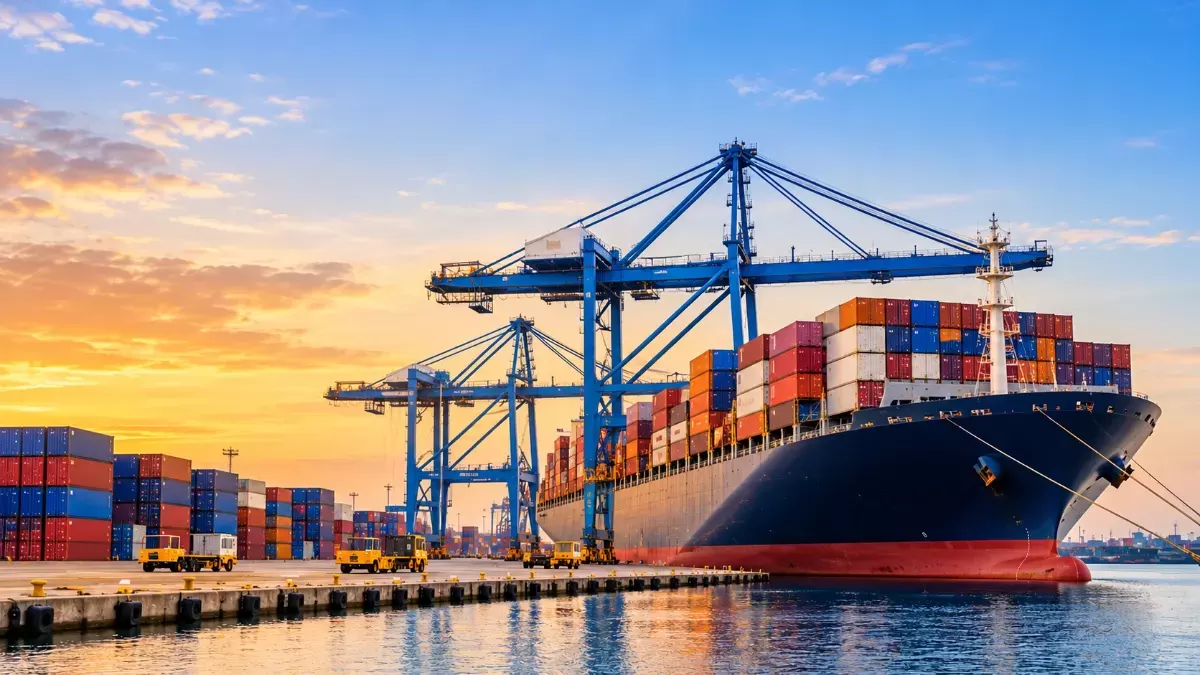
The meeting took place at MSC's headquarters in Geneva, where Minister Sheikh presented Pakistan's strategic geographical location and the potential of its three major seaports—Karachi Port, Port Qasim, and Gwadar—as gateways for international trade and maritime connectivity. The minister invited MSC to send a delegation to Pakistan for firsthand assessment of cooperation and investment opportunities, an invitation the company welcomed and agreed to arrange.
MSC's scale in global shipping provides context for the significance of this engagement. Founded in 1970 and headquartered in Geneva, MSC operates approximately 1,000 vessels serving over 520 ports across more than 155 countries, accounting for roughly 21–22 percent of global container shipping capacity. The company's potential entry into Pakistan's maritime sector could bring substantial operational expertise and network access to a market seeking to strengthen its logistics infrastructure and trade connectivity.
The areas of potential cooperation discussed were broad, encompassing port-related infrastructure, container handling, shipping and logistics services, warehousing, transshipment, and integrated supply-chain solutions. These categories align with Pakistan's ambitions to position itself as a regional trade and transshipment hub, leveraging its location at the intersection of South Asia, Central Asia, and the Middle East. Minister Sheikh emphasized that MSC's global reach and maritime experience could create significant opportunities for Pakistan's shipping, logistics, and trade sectors.
This development is not occurring in isolation. MSC has already demonstrated operational interest in Pakistan through its PREMIUM IPAK service, a dedicated weekly direct liner connection from Karachi to major European markets including Felixstowe, Rotterdam, Hamburg, Bremerhaven, Antwerp, Le Havre, and London Gateway. The service, which resumed in October 2026, makes weekly calls at Karachi Gateway Terminal, providing Pakistani exporters—particularly in the textile sector—with direct access to European markets amid disruptions to international shipping routes.
From a logistics perspective, MSC's potential investment could address several structural gaps in Pakistan's maritime sector. Karachi Port Trust has been pursuing expansion of direct shipping services to reduce transshipment dependence, with Chairman Shahid Ahmed stating that improved vessel operations could generate annual savings of Rs30–40 billion by reducing cargo unloading time from seven days to 1–1.5 days. The port is also investing Rs2–2.5 billion in artificial intelligence, automation, and digital systems to modernize operations. MSC's involvement could accelerate these efficiency gains through private-sector capital and operational know-how.
The timing of the meeting reflects broader geopolitical and economic calculations. Pakistan has been actively courting international maritime investors to strengthen its position in regional trade networks. For MSC, exploring Pakistan aligns with its global strategy of expanding terminal and logistics footprints in emerging markets, as evidenced by its recent acquisitions in Ukraine and other regions. The proposed delegation visit will provide the first concrete opportunity to translate expressed interest into specific project discussions.
However, significant uncertainties remain. No investment amount, timeline, or specific project commitment was announced following the Geneva meeting. The delegation visit will determine whether MSC's interest progresses toward actual investment, and the scope of any potential projects will depend on assessments of Pakistan's regulatory environment, infrastructure readiness, and commercial viability. For now, the engagement represents a signal of intent rather than a confirmed investment, leaving the logistics sector to watch whether this high-level dialogue translates into tangible capital deployment in Pakistan's ports and supply chain infrastructure.