
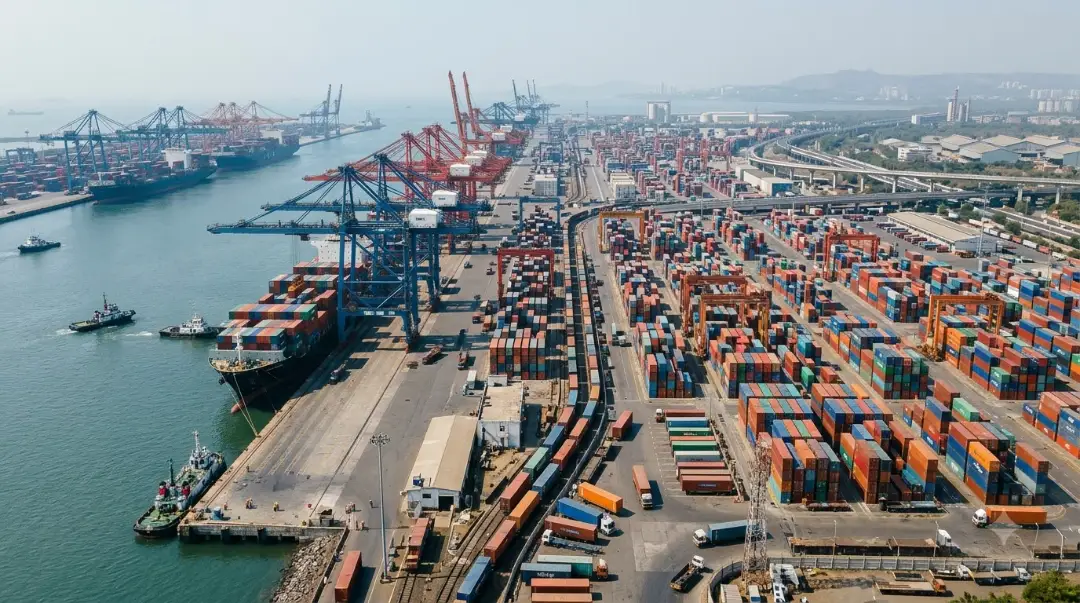
Jawaharlal Nehru Port Authority and Mumbai Port Authority have signed a Memorandum of Understanding to collaborate on logistics infrastructure and connectivity, formalising a partnership between the two state-owned port authorities that serve India's largest metropolitan region . The agreement, signed on 13 November 2026, is intended to improve coordination on rail and road links, shared facilities, and port-led industrial development, according to industry sources.
The two ports occupy distinct but complementary roles in the region's logistics ecosystem. JNPA is India's largest container gateway, handling record volumes in recent months, while Mumbai Port Authority operates a mix of bulk, breakbulk, and passenger facilities closer to the city centre. The MoU is expected to focus on improving the connectivity between the two ports and their shared hinterland, reducing congestion on the road networks that serve both facilities, and exploring opportunities for joint infrastructure development.
The timing of the agreement reflects the broader pressure on Mumbai's port infrastructure. JNPA has been setting monthly container records, and the road and rail links that connect it to the hinterland have faced congestion as volumes have grown. Mumbai Port Authority, meanwhile, has been developing its waterfront for cruise and tourism uses while maintaining its cargo operations. A coordinated approach to logistics planning could help both authorities manage the competing demands on land, road, and rail infrastructure in the Mumbai region.
For India's logistics sector, the MoU signals a recognition that port authorities need to coordinate rather than operate in isolation. The two ports share a common hinterland and a common set of connectivity constraints, and improvements to rail links, road access, or inland container depot capacity would benefit both. The MoU does not disclose specific projects, investment figures, or timelines, and its practical impact will depend on whether the two authorities can translate the framework into concrete initiatives.
The agreement comes as India's port sector is undergoing significant expansion and reform. The government has been promoting private participation, dedicated freight corridors, and port-led industrial development, and the major port authorities have been investing in capacity and connectivity. The JNPA-Mumbai Port MoU is a smaller-scale initiative than the mega-projects that dominate headlines, but it reflects the incremental coordination that is necessary to make the broader infrastructure investments effective.
Looking ahead, the key milestones are the identification of specific joint projects, the allocation of resources, and the implementation of connectivity improvements. The MoU does not specify how the two authorities will share costs or decision-making, and its success will depend on whether the coordination framework produces tangible outcomes rather than remaining a statement of intent. For now, the agreement signals that Mumbai's two port authorities are seeking to work together on the logistics challenges that neither can solve alone.