
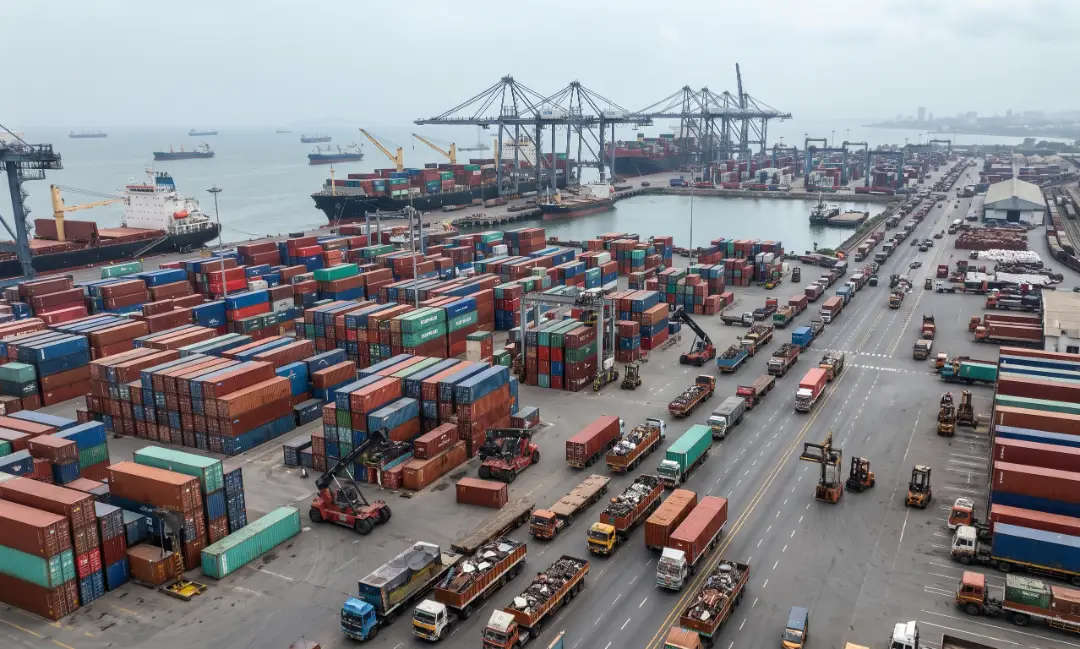
According to data released by BigMint on November 12, India-bound ferrous scrap container freight rates increased across all three monitored routes during the week. Shipping brokers stated that congestion at London Gateway and extended vessel waiting times at Nhava Sheva were tightening vessel availability and putting pressure on freight rates. This trend occurred against a backdrop of persistently sluggish demand in the Indian scrap import market, with buyers still cautious in their booking decisions.
London Gateway, as a key export gateway for UK scrap to India, has seen its operational disruptions directly affect the stability of vessel schedules on the India route. According to port congestion data, London Gateway's congestion level was assessed as "congested," with average vessel waiting times of approximately 10.6 days. Maersk previously issued multiple notices stating that London Gateway would suspend acceptance of empty containers, with disruptions expected to last for most of the week. This further exacerbated the difficulty of container circulation.
On the Indian side, Nhava Sheva is India's largest container port. Recent vessel arrival data shows that among 67 container vessels arriving within a 7-day period, 21 vessels remained in port for more than 48 hours, accounting for 31%, with the port assessed as "busy". A ship broker noted: "Congestion at London Gateway and extended vessel waiting times at Nhava Sheva are tightening vessel availability and adding pressure on freight rates". This congestion is not isolated—Nhava Sheva has faced challenges in container evacuation and hinterland transport connections since 2026.
On the demand side, the Indian ferrous scrap import market remains subdued. A trader stated: "Freight negotiations remain competitive, with weak import demand prompting buyers to push for lower rates". The Diwali holiday factor has further suppressed market activity, with buyers lacking enthusiasm for booking new overseas cargoes. Although freight rates have risen, this is mainly driven by supply-side factors rather than demand-side strength. This dynamic of "rising freight rates amid weak demand" is a salient feature of the current India-bound scrap freight market.
Competitive dynamics in the global container market also warrant attention. Large volumes of container inventory remain stranded at Gulf ports, creating logistical and equipment-related challenges. Meanwhile, UK export activity to Africa and other destinations remains strong, which to some extent diverts container capacity that could otherwise be allocated to the India route. A UK freight forwarder noted that India-bound spot business remains low, with only ad hoc freight rates quoted to Nhava Sheva and Mundra. This fragmentation in capacity allocation further supports India-bound freight rates.
Looking ahead, market participants generally expect India-bound scrap container freight rates to remain firm in the near term, supported by port congestion, equipment shortages, and extended vessel waiting times. However, subdued Indian import demand, holiday-related inactivity, and competitive freight negotiations may limit further increases. A key variable is the recovery of import bookings—if Indian steel mills restock after the holiday, demand-side support may strengthen. Conversely, if congestion eases and container availability improves, freight rates may face downward pressure.
On a broader level, Nhava Sheva's congestion problems reflect the structural pressure facing India's trade logistics. As India's largest container gateway, Nhava Sheva's operational efficiency directly affects the country's EXIM costs and timeliness. The Indian government has taken measures to address the situation, including rail evacuation, waiver of handling charges, green channels, and trailer pooling. However, fundamental improvement requires sustained investment in port infrastructure expansion and inland logistics connections. For scrap importers and steel producers, the current freight rate environment means rising raw material landed costs, which needs to be factored into procurement decisions.